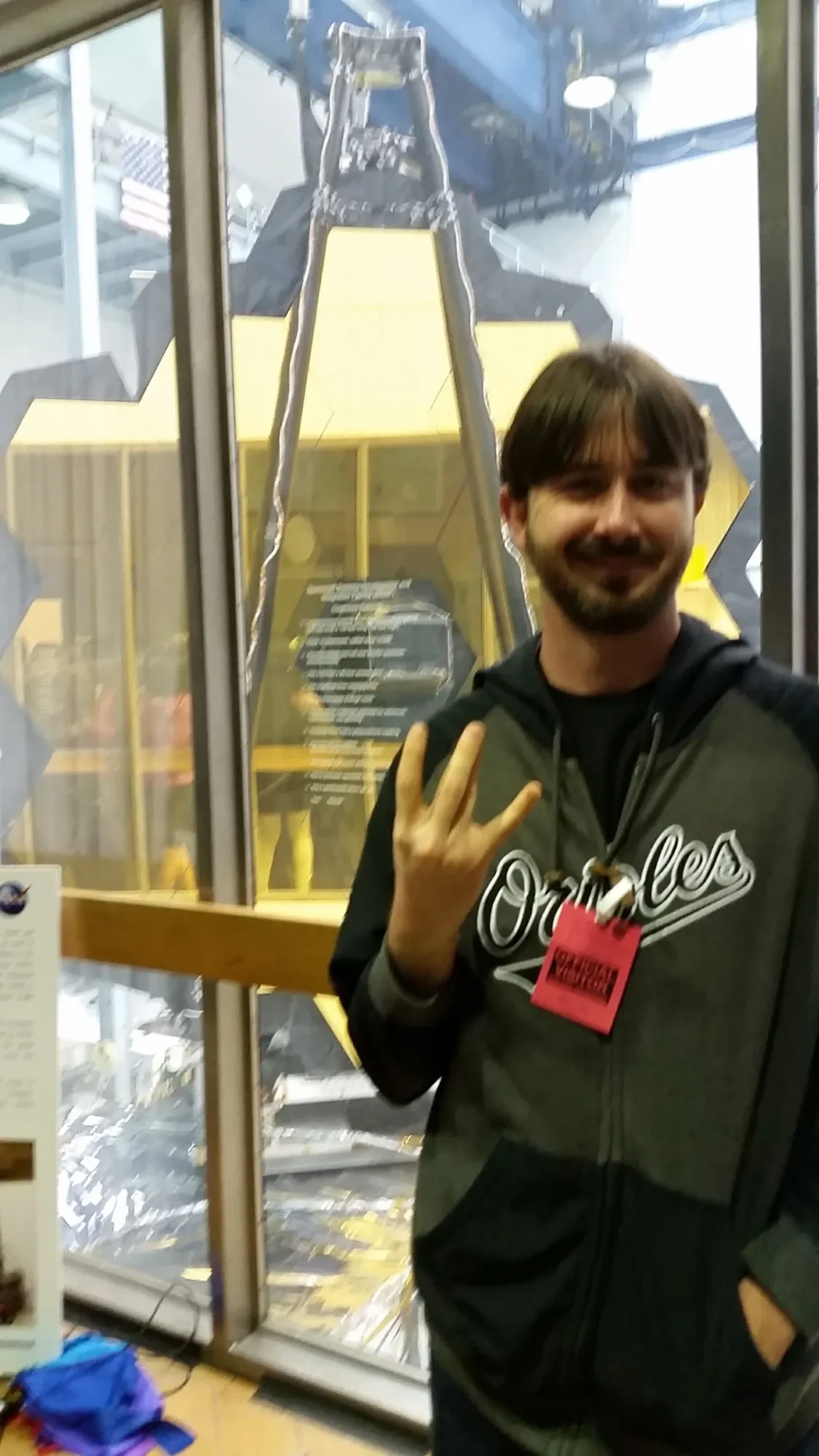
2012 to 2017Space Telescope Science InstituteLed features for APT, the tool behind every Hubble and Webb observing proposal.
Computer engineering, machine learning, and astrophysics, from space telescopes and planetary defense to radio interferometry.
World-class observatories
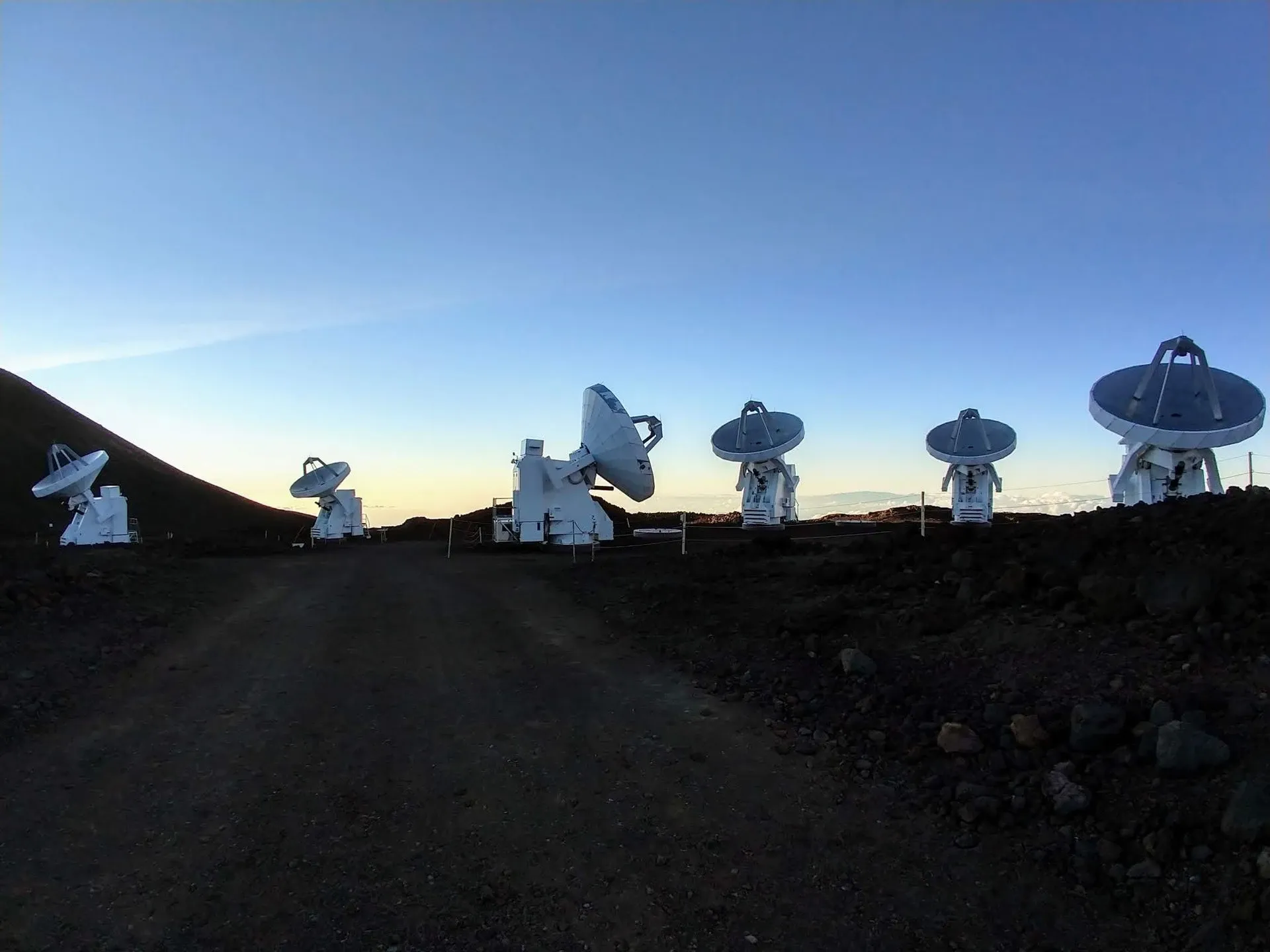
Designing the automation of an interferometer's observing, starting with rapid response to gamma-ray bursts: on target within minutes of an alert, with operator approval.
Wrote the use cases with operators, PIs, and staff scientists, then the requirements and system architecture for a phased build. The two prototyping experiments behind the design ran on coding agents: spec-first proposals, changes on task branches, lint and unit tests in CI on every push, and a human review of every merge.
Designed and deployed the primary virtualization system, XCP-ng and Xen Orchestra over a high-speed SAN, to move operations off aging infrastructure, with monitoring throughout.
Migrated the core science database onto the new system, and built out a second physical site for backup and disaster recovery.
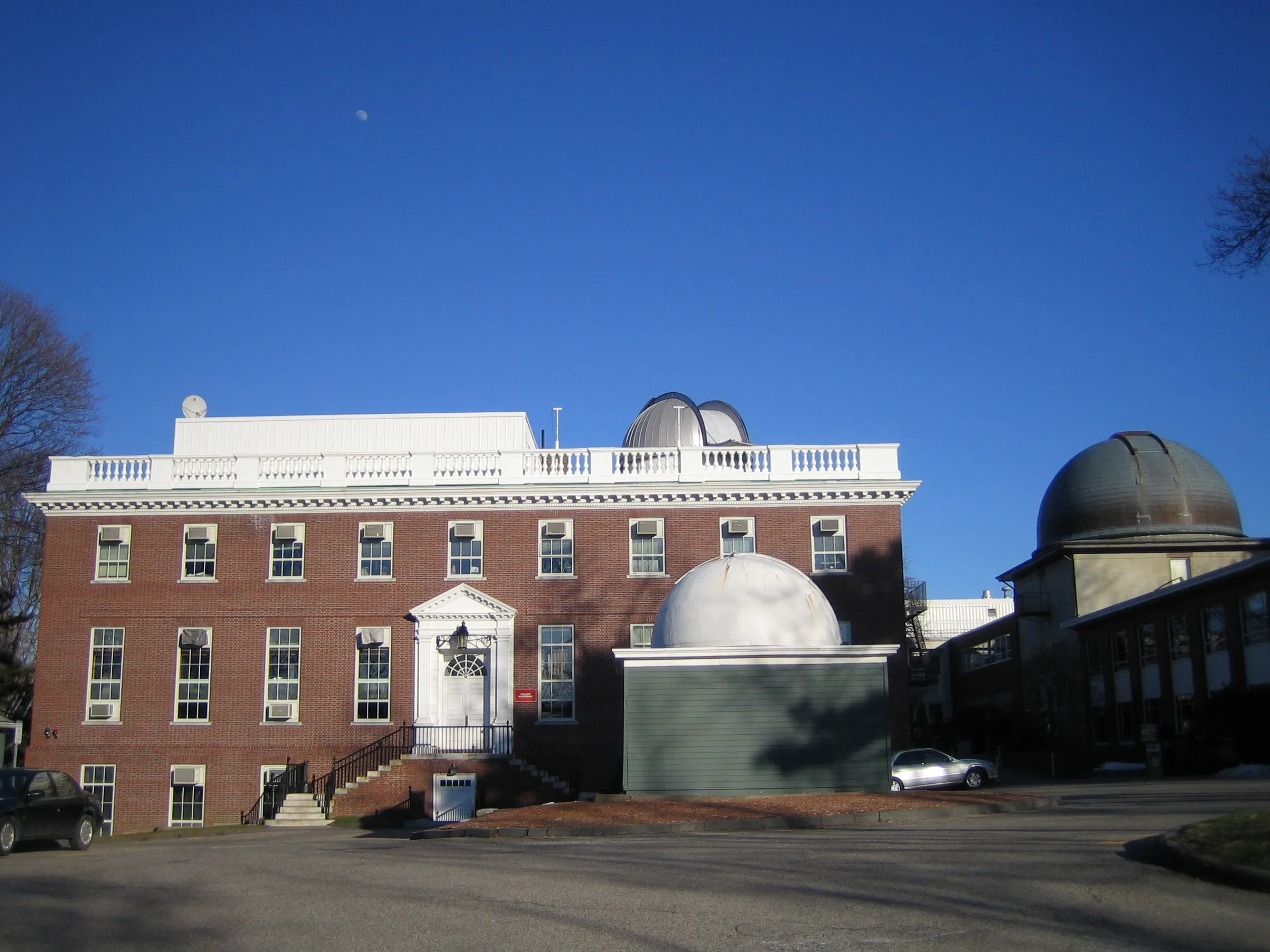
Staff engineering at the Smithsonian Astrophysical Observatory and the Space Telescope Science Institute, 2012 to 2024.
Led engineering for the clearinghouse of asteroid and comet observations, reporting regularly to NASA and the MPC Users Group. Designed a parallel orbit-fitting pipeline: RabbitMQ and containerized OrbFit workers on Docker Swarm. Built public visualization apps and Flask APIs on a replicated PostgreSQL cluster.
Architected the on-prem infrastructure underneath: an iSCSI SAN on Dell PowerVault arrays, XCP-ng virtualization, Prometheus and Grafana monitoring with alerting, and a remote backup site.
Also: hired and managed a team of engineers, and mentored an intern who built a near-Earth-object classifier in TensorFlow.Led software for the interferometer: networking and software for the FPGA-based SWARM correlator, and the VLBI software used in Event Horizon Telescope campaigns, fixed and automated. Maintained and extended the array's C control software on LynxOS and Linux, and created smax-python, the client for the array's Redis-based real-time messaging layer, which the SMA team still maintains.
Reworked the observatory's meetings and project management, and taught Python, testing, and version control in Cambridge and Hilo. That discipline carried SWARM's expansion to all six quadrants through a government shutdown, the Maunakea protests, and COVID.
And: founded and chaired the CfA Software Engineering Steering Committee.Led new features for APT, the Java tool scientists use to design and submit Hubble and JWST observing programs, including the JWST instrument templates. NASA recognized the work twice: bright-object checking for Hubble's moving targets, and JWST coordinated parallel observations.
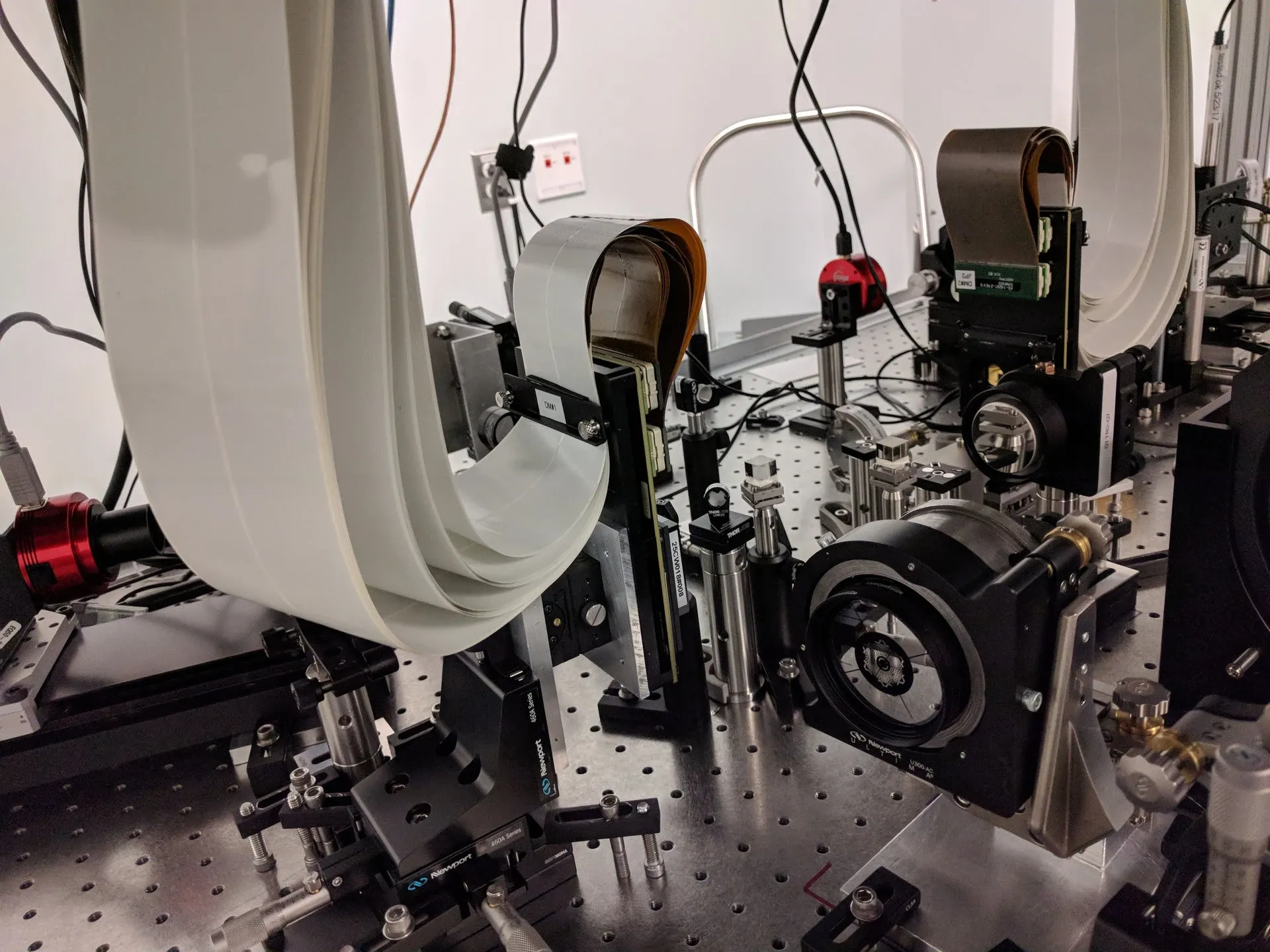
Then lead software engineer for the Makidon Optics Lab: the Python control library for HiCAT, with the environmental sensing and safe shutdown that made remote operation possible, released as catkit, and the real-time pipeline that wrote every exposure to FITS.
Co-investigator on a funded NASA TDEM proposal, and first author of the testbed's software paper.Before astronomy
Led a Navy Phase II SBIR building AI-driven software that drew on command-and-control systems to recommend resource plans, and won a follow-on contract to turn the code into an SDK. Also applied neural networks to predict traffic at a simulated intersection.
C and C++ for IPTV and network test devices, from RS-232 control of a femtocell antenna to jitter measurement and a customer-facing XML API, plus the JBoss monitoring and alarm system that showed their live data.
Master's thesis: teaching non-player characters in Quake II to behave like the people playing them, by watching them play, with time-delay neural networks.
Read the thesis →Pipelines, instrument control, and the data systems that carry an instrument's output through to published results, the part of the work I enjoy most.
Open-weight models on hardware you own, including building the GPU servers, tuned for the work, and coding agents that run spec-first under human review.
Compute, storage, and virtualization on an open source hypervisor in your own building, monitored, with backups that have actually been restored, handed to your own staff.
I build and run my own infrastructure: a GPU server for open-weight models, a virtualized homelab with CI, monitoring, and identity, and a coding agent that takes an issue to a reviewed pull request. Everything here runs on hardware I own.
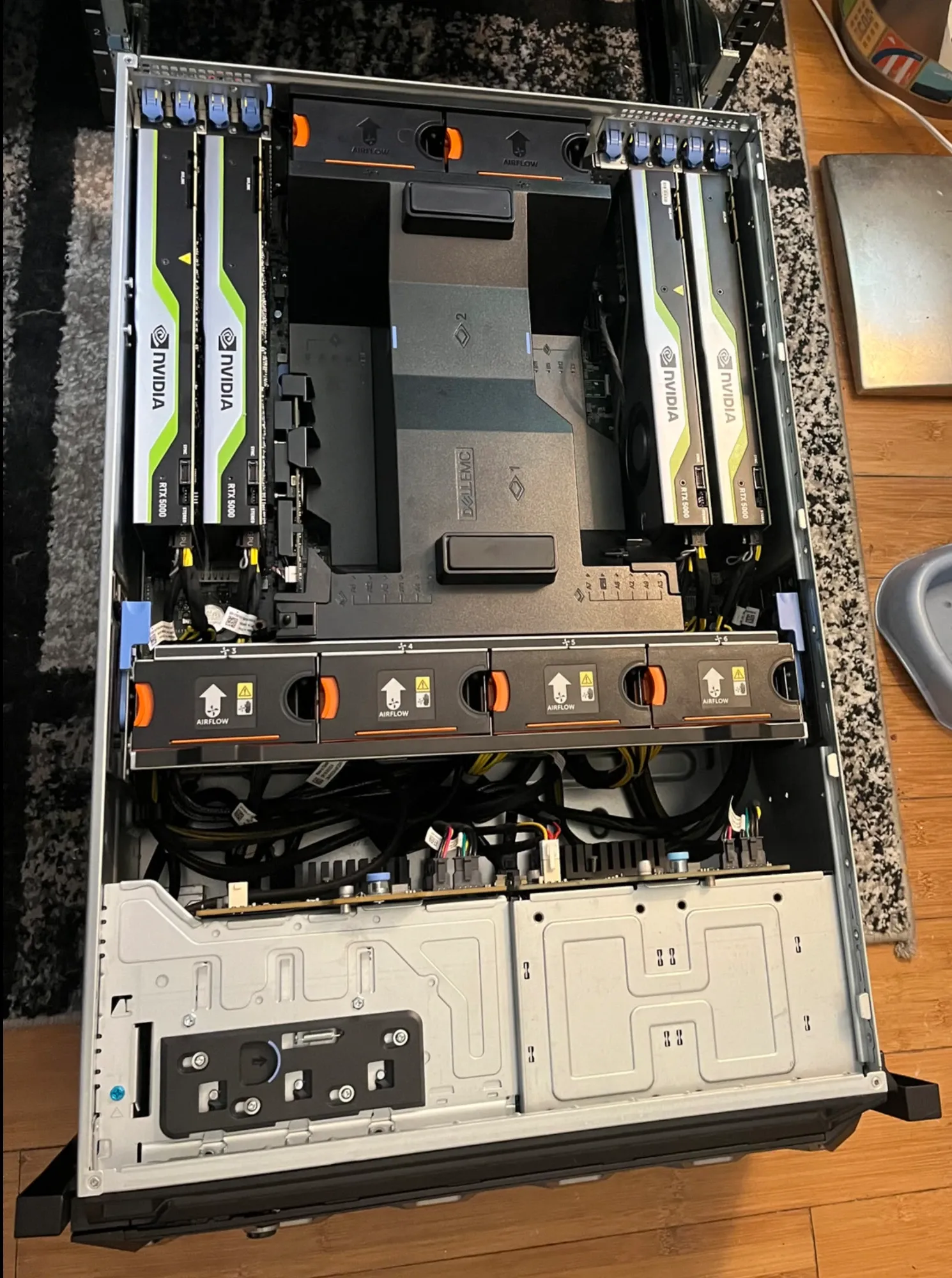
| GPUs | 4 × Quadro RTX 5000, Turing |
|---|---|
| VRAM | 64 GB, two NVLink pairs |
| Memory | 376 GB DDR4 |
| Engines | vLLM, llama.cpp |
| Daily model | Qwen3.8-27B, fp8 KV cache, 512k context |
Built from secondhand parts: four Quadro RTX 5000s in a used PowerEdge, quiet enough to sit beside a desk. It serves the open-weight models my coding agents run on, up to six streams at once.
Two inference engines share the cards. vLLM is the fast path when the whole model fits in VRAM, so it serves the model my agents use every day. llama.cpp can keep part of a model in Trogdor's system RAM, which opens the door to much larger mixture-of-experts models at a slower pace.
| Engine and model | Current performance |
|---|---|
| vLLM, Qwen3.8-27B | 61 tokens a second at 20k context, and about 170 a second across four agents at once. The whole model and an fp8 KV cache fit in VRAM, with room for 512k tokens of context. |
| llama.cpp, Qwen3.8-Flash-Next | 25 tokens a second at 20k context. A 125B mixture-of-experts model, 94 GB quantized, with some of its experts held in system RAM. |
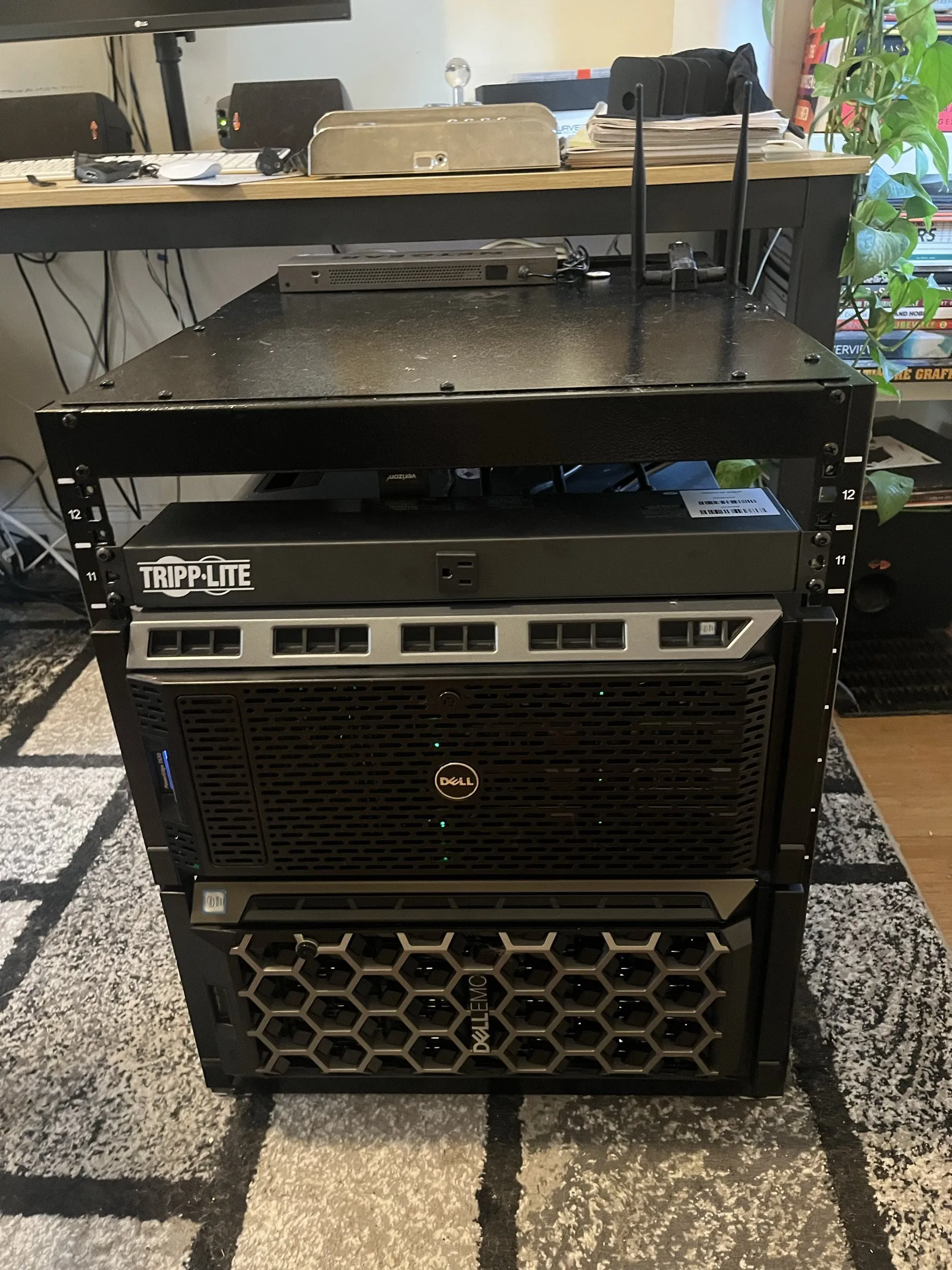
| Hypervisor | XCP-ng with Xen Orchestra |
|---|---|
| Uptime | Over 99% across the lab |
| Deploys | Git-driven Portainer stacks |
| Monitoring | Prometheus, Grafana, Loki |
| Licensing | Open source throughout |
Strongbad is a Dell PowerEdge running XCP-ng, the open source hypervisor, and it hosts the rest of the lab: Forgejo with CI runners, git-driven Portainer deployments, Prometheus, Grafana, and Loki monitoring, identity management, and backups. Alongside the platform, it runs the services my household and friends rely on every day. Trogdor, the GPU server above, runs the models.
| What it does | Services |
|---|---|
| Platform | Forgejo and CI runners, Portainer, Nginx Proxy Manager, Umami |
| Monitoring | Prometheus, Grafana, Loki |
| Media | Jellyfin, Navidrome, Audiobookshelf |
| Household | Immich for photos, Vaultwarden for passwords, Mealie for recipes, RomM for games |
| Home and network | Home Assistant, Pi-hole |
| Chat | Sharkord, Snikket, Matrix with Element |
| Projects | OpenProject |

A graph of spec-driven steps runs the agent. Each step has to pass a scripted check on the repository, and a person approves the proposal and the merge. OpenSpec and Gitflow, written as graph workflows, and extensively tested.
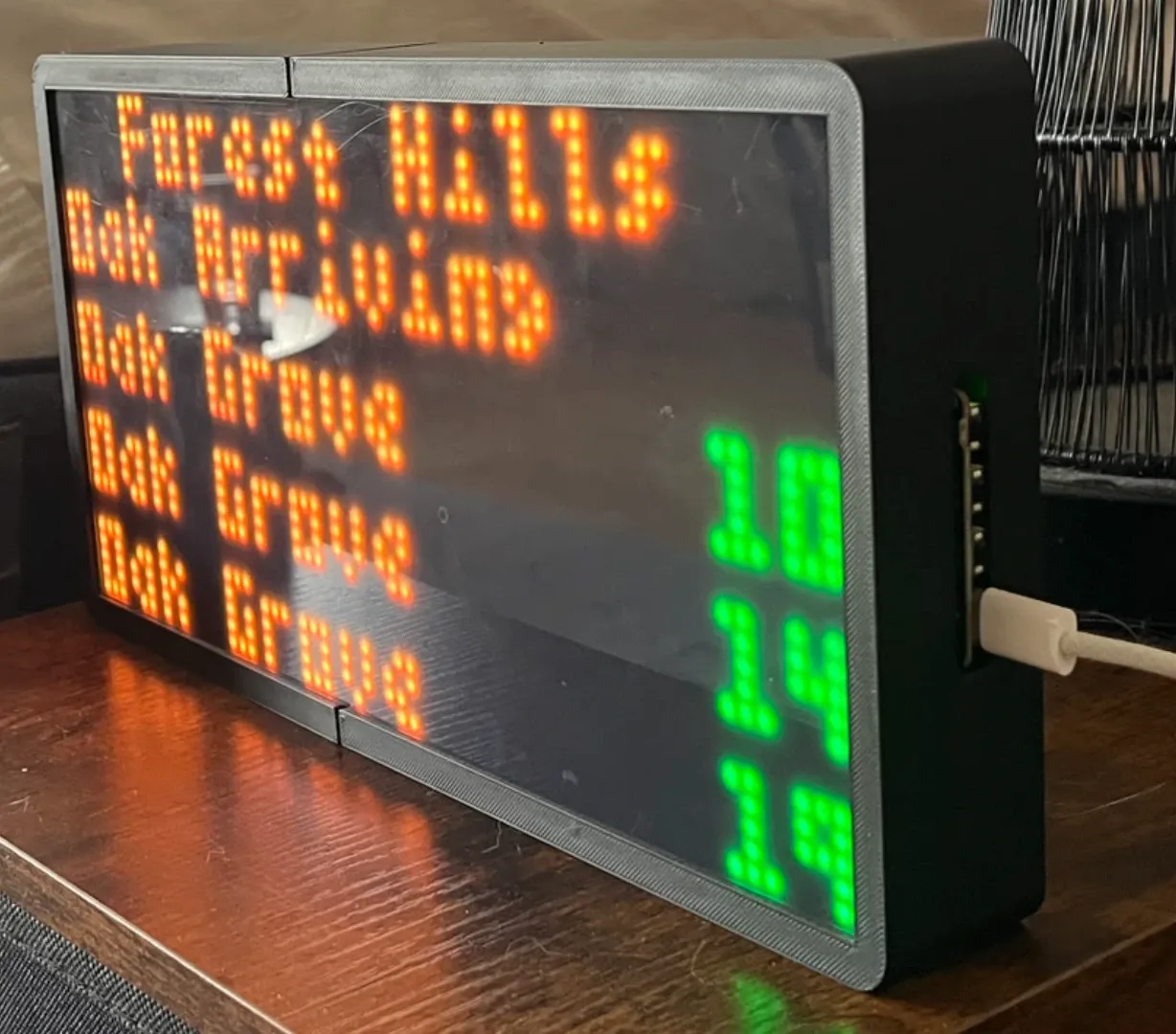
A 64×32 LED matrix driven by an Adafruit Matrix Portal S3, whose ESP32-S3 brings Wi-Fi and Bluetooth, running CircuitPython. A small API of my own sits between the sign and the MBTA's predictions, with a registered API key for a higher request rate, and hands the board text already fit to sixteen characters a line. The case is my own design in OpenSCAD, 3D-printed.

Gathers listings from dozens of Boston-area venues, with playable tracks for each artist, so you can hear a band before you buy the ticket.

An offline festival companion for Jamaica Plain's Porchfest, with on-device walking routes. Built in a day, and used by hundreds of attendees.
An offline-first sudoku app with no account and no server. Every puzzle has a unique solution and never needs a guess. Built with opencode on self-hosted models served through llama.cpp and vLLM, with self-hosted MCP servers for tools.
A nerdy web comic from life around observatories and astrophysics, hand-drawn, with an archive, random, and direct links to every strip. Still a work in progress, with new strips on the way.
